Amendment 3 and Miami-Dade County Services


Property taxes are a major source of funding for essential County services. This page explains what Amendment 3 would change, how property tax dollars support County services today and what the County expects to lose.
What Amendment 3 does
- Increases the homestead exemption to $150,000 in the first year and $250,000 in the second year
- Lowers the annual assessment cap on non-homestead properties, including rental and commercial properties
- Delays the increased homestead exemption for new Florida residents until their fifth year of eligibility
- Limits property tax revenues to specified government services and purposes, while allowing other uses to be approved unless prohibited by state law






What the County expects to lose
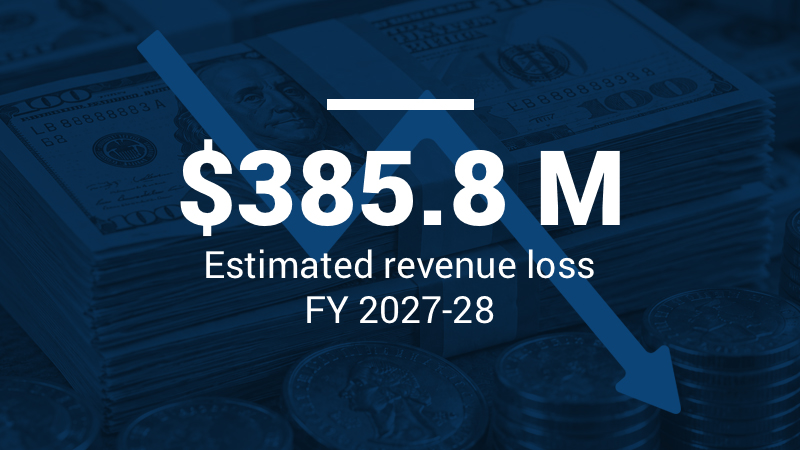
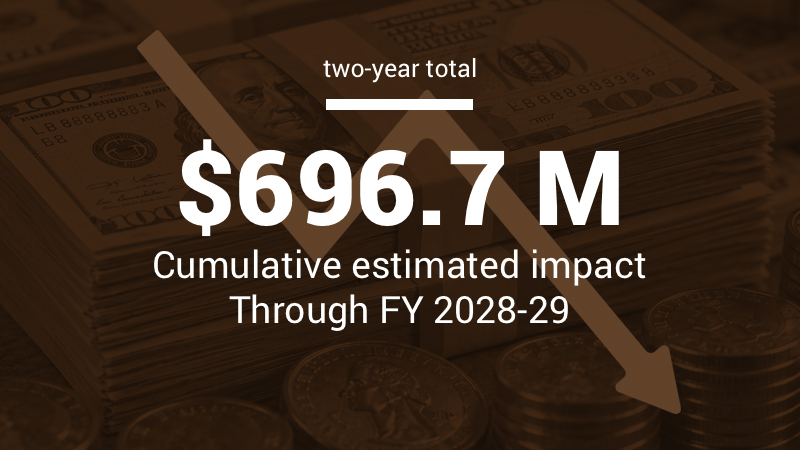
If Amendment 3 passes, Miami-Dade estimates it would collect approximately $385.8 million less in property tax revenue at current tax rates beginning October 2027, increasing to $696.7 million in October 2028.
This number could increase in subsequent years if plans to further increase the homestead exemption are implemented. When the $250,000 homestead exemption is fully implemented, that annual reduction is estimated to grow to approximately $696.7 million less every year.
County service impacts
Fire Rescue

$743.7 million in Miami-Dade Fire Rescue property tax funding currently helps support services including:
- 73 fire stations
- 2,533 firefighters
- Health Emergency Life Program (HELP) trains nearly 4,000 residents each year in lifesaving skills, including CPR, stroke recognition and bleeding control
Community Services

- 700,000 meals to home-bound seniors
- Provide help and support to nearly 1,800 seniors
- Funds the Coordinated Victims Assistance Center
Animal Services
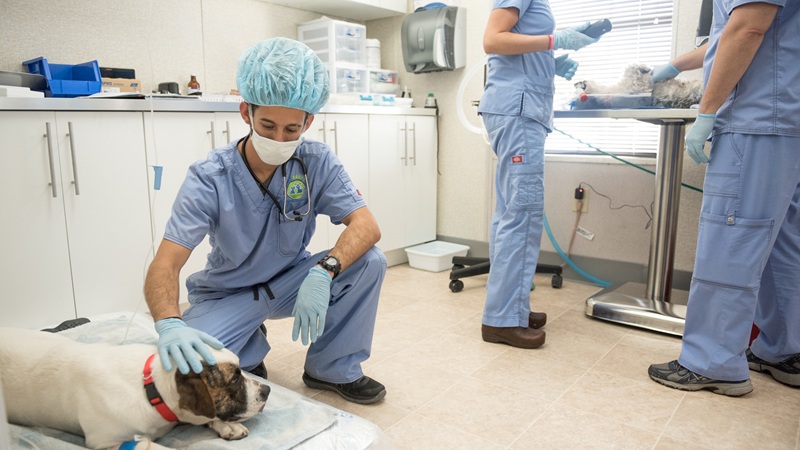
$31 million in animal services property tax funding currently helps support services including:
- Two animal shelters housing over 600 pets daily
- Spay and neuter services – serving over 34,000 cats and dogs annually
- Adoption events – over 400 events resulting in 7,500 adoptions annually
Libraries

$128.5 million in library property tax funding currently helps support services including:
- 50 library locations
- Early reading, tutoring and technology programs
- Adult literacy and senior resources
Parks

$130.8 million in parks property tax funding currently helps support services including:
- 308 parks and facilities including 76 pickleball courts
- 12 dog parks and 197 miles of trails
- Senior centers, pools and nature
Transit

$407.1 million in transportation and public works property tax funding currently helps support services including:
- Metrorail, Metromover and MetroConnect
- Partially funds 74 bus routes
- Special Transportation Service
- Road and bridge maintenance
Frequently Asked Questions
Office of the Mayor
Daniella Levine Cava was elected Miami-Dade County's first-ever woman mayor in November 2020, and re-elected in August 2024, after 40 years of advocacy for South Florida families.
As mayor, she oversees approximately 23,000 County employees, serves nearly 3 million residents, and manages an annual budget of approximately $14.3 billion. She is focused on building a more resilient and prosperous Miami-Dade. Her initiatives include supporting critical infrastructure, reducing bureaucracy and spending your tax dollars wisely, while building a future-ready economy full of opportunity, tackling the housing crisis, combating gun violence and preserving our precious environment.
A social worker, lawyer, and activist, she previously served as the County Commissioner for District 8 and worked with vulnerable populations through Legal Services of Greater Miami and Catalyst Miami, an organization she founded. With her husband, Dr. Robert Cava, she raised two children, Eliza and Edward, in Miami-Dade.