Connect 2 Protect


Eligible homeowners may receive up to $15,000 in grants, zero-percent interest loans, or low-interest loans through the County’s Septic-to-Sewer Financial Assistance Program to support their conversion costs.
For questions or additional information about Connect 2 Protect or one of its construction projects, please email [email protected].
Quick Links
Financial AssistanceCommercial Corridors Program

Miami-Dade County Water and Sewer Department (WASD) is currently investing $126 million in General Obligation Bond (GOB) funds dedicated to converting septic systems to County sewer service for more than 1,000 commercial properties in Miami-Dade County.

The GOB septic to sewer conversion is composed of 35 projects, with all anticipated to be completed by 2023.
Commercial Corridors Program by the Numbers
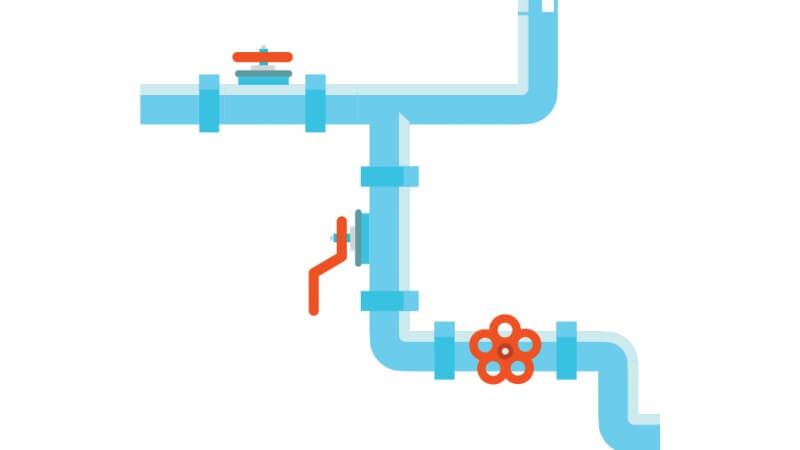
To date, 24,000 linear feet of new sewer lines have been installed. By the GOB’s completion, 225,000 linear feet will have been connected to the WASD system.
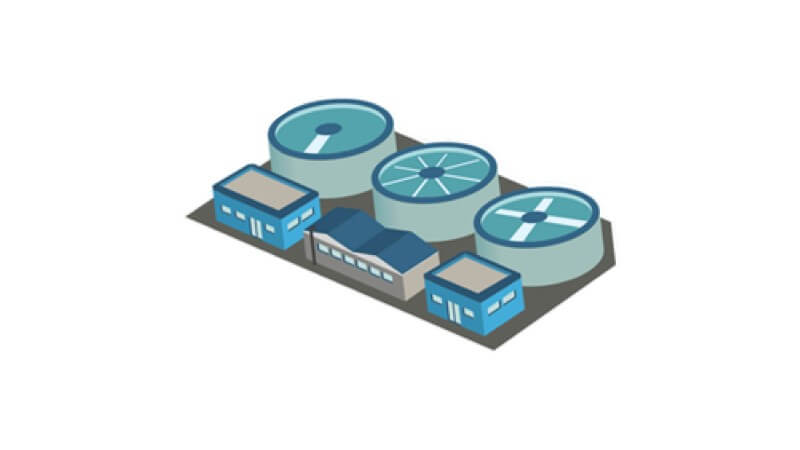
By connecting the more than 1,000 properties to WASD’s system, 500,000 gallons of wastewater will be removed from septic systems daily. Minimizing nutrient loading to the groundwater and waterways.
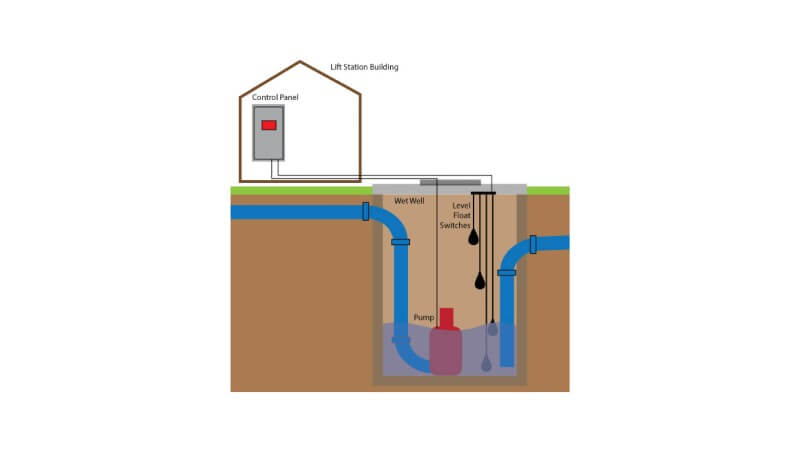
By connecting the more than 1,000 properties to WASD’s system, 500,000 gallons of wastewater will be removed from septic systems daily. Minimizing nutrient loading to the groundwater and waterways.

To date, more than $5.7 million has been invested of the allocated $200 million for the combined GOB septic to sewer and water infrastructure upgrades. Local, small businesses are/will design and construct for the 35 projects and by increasing sewage capacity for the five commercial corridors, business expansion/ redevelopment will generate increased tax revenues for Miami-Dade County.
Little River Adaptation Action Area Program
The County is implementing a project to expand sewer service to more than 300 homes currently served by septic tank systems in the Little River Adaptation Action Area. This project is funded in part by a Florida Department of Environmental Protection Coral Reef Protection Program Grant and focuses on septic tank systems that are vulnerable to impacts from sea level rise. Compromised and failing septic systems can cause negative impacts on private properties, pose public health risks, and have negative impacts on our natural resources including Biscayne Bay.
Check back here for more information as the program advances.
Ojus Sanitary Sewer Expansion Project
By connecting to the County’s sanitary sewer services, properties located within the Ojus “urban area district” will be able to maximize land use and zoning potential that are designed to facilitate a more livable community through a mix of commercial and residential uses. This will not only benefit these property owners and the community, but also generate a positive economic impact for Miami-Dade County. The Ojus community is bounded by NE 186 -188 Streets to the north, the Florida East Coast Railroad to the east, the Oleta River to the west and NE 179 Street to the south.
Next Steps
Recognizing that 9,000 septic systems are vulnerable to compromise or failure under current groundwater conditions and increase to approximately 13,500 by 2040, the following are the next steps:
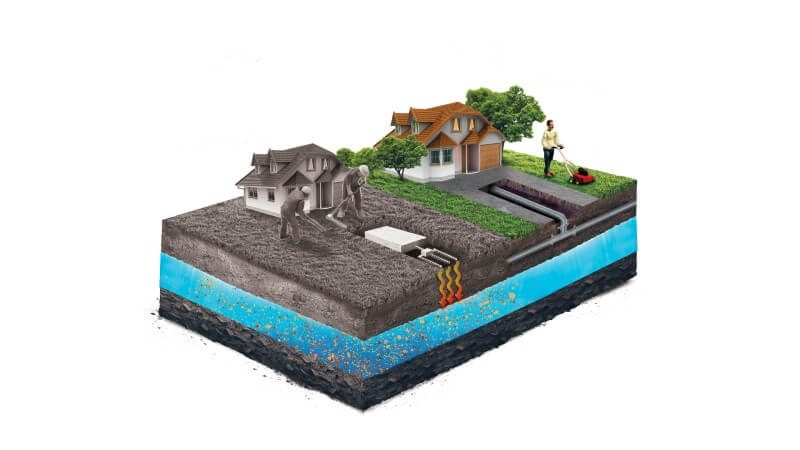
Septic system vs. sewer system graphic model
- Implement a program to install public laterals to support connection of properties abutting sewer infrastructure, prioritizing those that are vulnerable to compromise/failure by 2040.
- Prioritize areas for expansion of the sanitary sewer system based on environmental, social, and economic impacts.
- Investigate financing opportunities for homeowners for the conversion of septic to sewer.
- Initiate residential and commercial septic system registration program.
- Perform water quality analysis to guide investment choices.
- While waiting to connect to the County’s sewer infrastructure, make sure to inspect and properly care and maintain your septic system. For information on how to Check to Protect your septic system and prevent it from becoming vulnerable/failing please review the Department of Environmental Resources Management's Septic System Care page for maintenance tips.
Get information on how to Check to Protect your septic system
Frequently Asked Questions
Contact Us

Water and Sewer
Jay Fink
Water and Sewer Douglas Office
3071 SW 38th Ave,
Miami, FL 33146
305-665-7477