Platting and Traffic Concurrency Review


Platting is the mandatory legal process of dividing, subdividing or combining land into officially recorded lots, blocks and parcels, typically required before obtaining building permits for new developments. It maps out property boundaries, streets and easements, ensuring compliance with the Miami-Dade County's Subdivision Code.
Platting creates legally buildable sites, establishes accurate legal descriptions and ensures proper infrastructure such as roads and utilities.
The Platting process involves submitting a tentative plat for review, followed by a final plat that, once approved by the County Commission, is recorded in public records. The Plat Committee reviews applications every Friday to ensure compliance with zoning and traffic regulations. For certain smaller subdivisions that do not require new streets or extensive improvements, a Waiver of Plat may be approved, which becomes a legal building site 10 days after approval.
Why platting is required
The process is often required to ensure that new developments do not negatively impact existing traffic and infrastructure.
- Legality: You generally cannot obtain building permits or sell subdivided property in unincorporated Miami-Dade without an approved plat or waiver.
- Infrastructure: It ensures that new developments have proper access to utilities (FPL, AT&T, etc.), adequate traffic capacity, and integrated drainage systems.
- Public Record: Plats are recorded in the public records of Miami-Dade County, providing a clear "blueprint" for property ownership and preventing future boundary disputes.
Submittal requirements: A survey, legal description and sometimes a traffic concurrency review are necessary to evaluate the development's impact.
Get information about upcoming Plat Committee meetings and related resources.
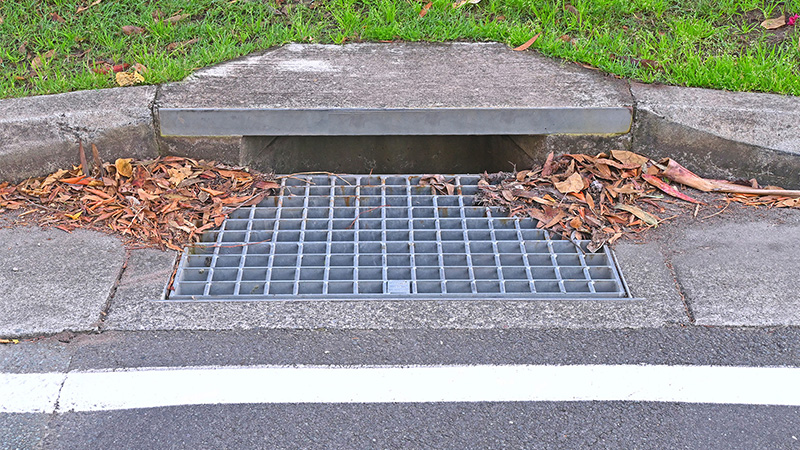
Submit a Paving and Drainage application or revision.
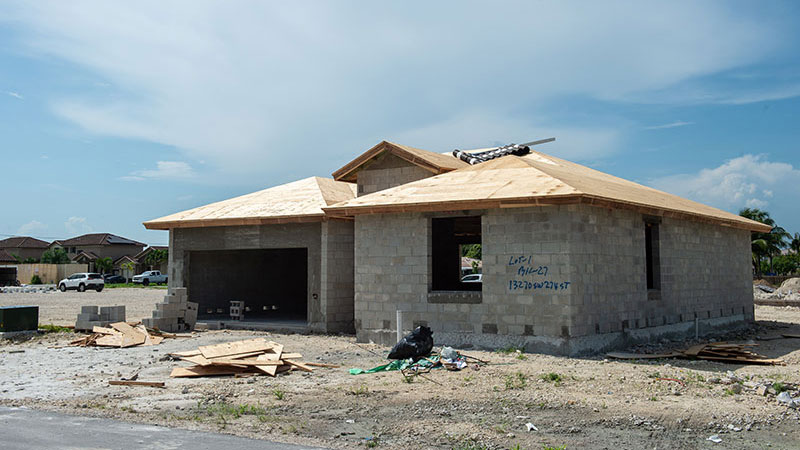
The County’s Subdivision Code requires that all parcels have public access, and this may require developers to grant additional right-of-way and provide improvements within the new and existing dedications.
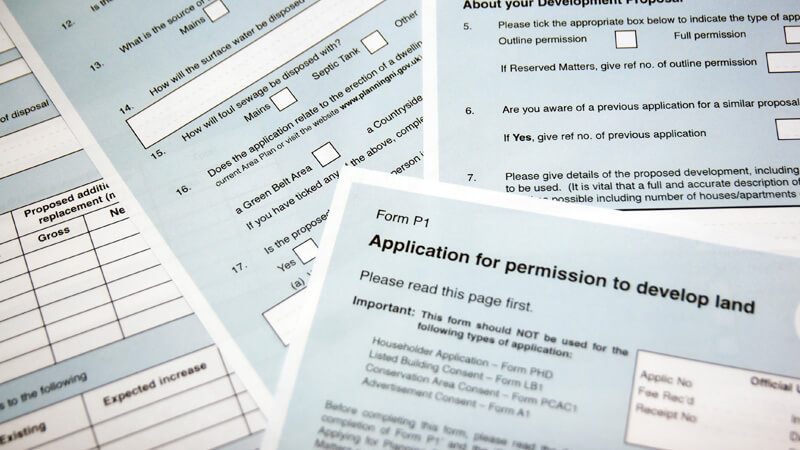
Applicants must submit all required Hold Harmless documentation for review and approval through the Citizen Self Service Portal.

One component for platting new subdivisions and zoning applications in unincorporated Miami-Dade County is the review of available traffic capacity and the impact to the level of service resulting from new development.
About Us
The Department of Regulatory and Economic Resources' mission is to enhance and protect the quality of life in Miami-Dade County through visionary planning, efficient land development and sound regulation that foster resilience, sustainable growth and long-term economic vitality.